
Hoogewerf Engineering plays a vital role in creating secure, compliant, and highly productive workplaces. As industries expand and operations grow more complex, organizations must prioritize safety engineering solutions that align with regulatory standards while safeguarding employees, equipment, and infrastructure. A compliance-driven safety framework not only reduces risks but also enhances operational efficiency and long-term sustainability.
The Importance of Compliance in Industrial Safety Engineering
Compliance is the foundation of effective industrial safety engineering. Adhering to established safety regulations ensures that organizations meet legal obligations while fostering a culture of responsibility and accountability.
A compliance-focused safety strategy delivers:
- Reduced workplace accidents and incidents
- Improved employee confidence and morale
- Stronger operational continuity
- Lower financial risks and liabilities
- Enhanced reputation and stakeholder trust
By integrating compliance into every level of operations, businesses build a structured and proactive safety ecosystem that supports continuous growth.
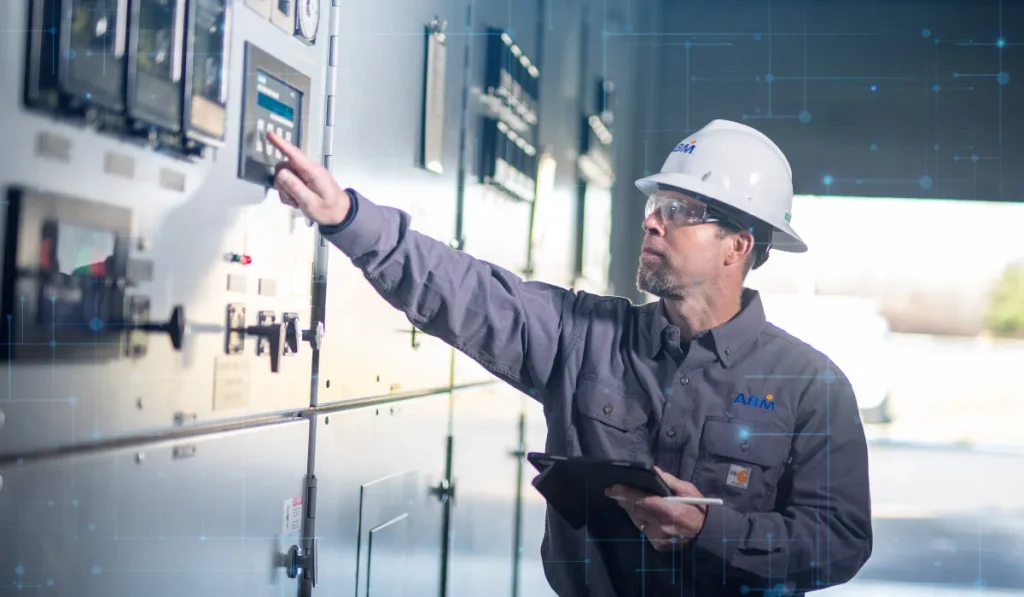
Proactive Risk Assessment and Hazard Identification
One of the core elements of industrial safety engineering is proactive risk assessment. Identifying hazards before they escalate into serious issues allows organizations to take preventive action.
Advanced safety engineering practices include:
- Comprehensive site inspections and audit is
- Process hazard analysis and risk mapping
- Safety system design and validation
- Emergency response planning
- Regular safety performance reviews
Through systematic hazard identification, industries can create protective measures that minimize downtime and ensure uninterrupted productivity.
Engineering Controls That Strengthen Protection
Industrial safety engineering goes beyond policies and documentation. It involves implementing engineered controls that actively protect workers and facilities. These controls are designed to eliminate or reduce risks at the source.
Effective engineering solutions may include:
- Machine guarding and protective barriers
- Automation of high-risk processes
- Fire detection and suppression systems
- Ventilation and environmental monitoring systems
- Electrical safety and grounding systems
By prioritizing engineered safeguards, organizations create safer work environments that align with regulatory compliance standards while maintaining high performance.
Building a Culture of Safety and Accountability
Compliance and protection are most effective when supported by a strong safety culture. Industrial safety engineering works hand in hand with training programs and leadership commitment to instill safety awareness at every level.
Key components of a safety-driven culture include:
- Continuous employee safety training
- Clear communication of safety protocols
- Incident reporting and transparent investigation
- Regular drills and preparedness exercises
- Leadership involvement in safety initiatives
When employees understand the importance of compliance and protection, they become active contributors to a safer workplace.
Continuous Improvement for Long-Term Success
Industrial environments are constantly evolving, and safety engineering must evolve with them. Regular audit is, performance evaluations, and system upgrades ensure that safety measures remain effective and compliant with current regulations.
Continuous improvement strategies focus on:
- Monitoring key safety indicators
- Updating safety systems with modern technology
- Refining processes based on data insights
- Encouraging feedback for operational enhancements
Industrial safety engineering focused on compliance and protection creates a resilient operational framework. By combining regulatory adherence, proactive risk management, engineered safeguards, and a strong safety culture, organizations establish secure environments that promote productivity, protect valuable assets, and ensure sustainable long-term success.
